










Gemma Collins
Contributing Writer
Over the past few years, matcha has skyrocketed in popularity in western countries. While one of the reasons behind this boom is its trendy green hue, another is its health benefits: the presence of vitamin C and magnesium, among other things. Being a highly caffeinated powdered green tea, matcha has grown to be a true competitor for your morning cup. But there are a few key differences that set matcha apart.
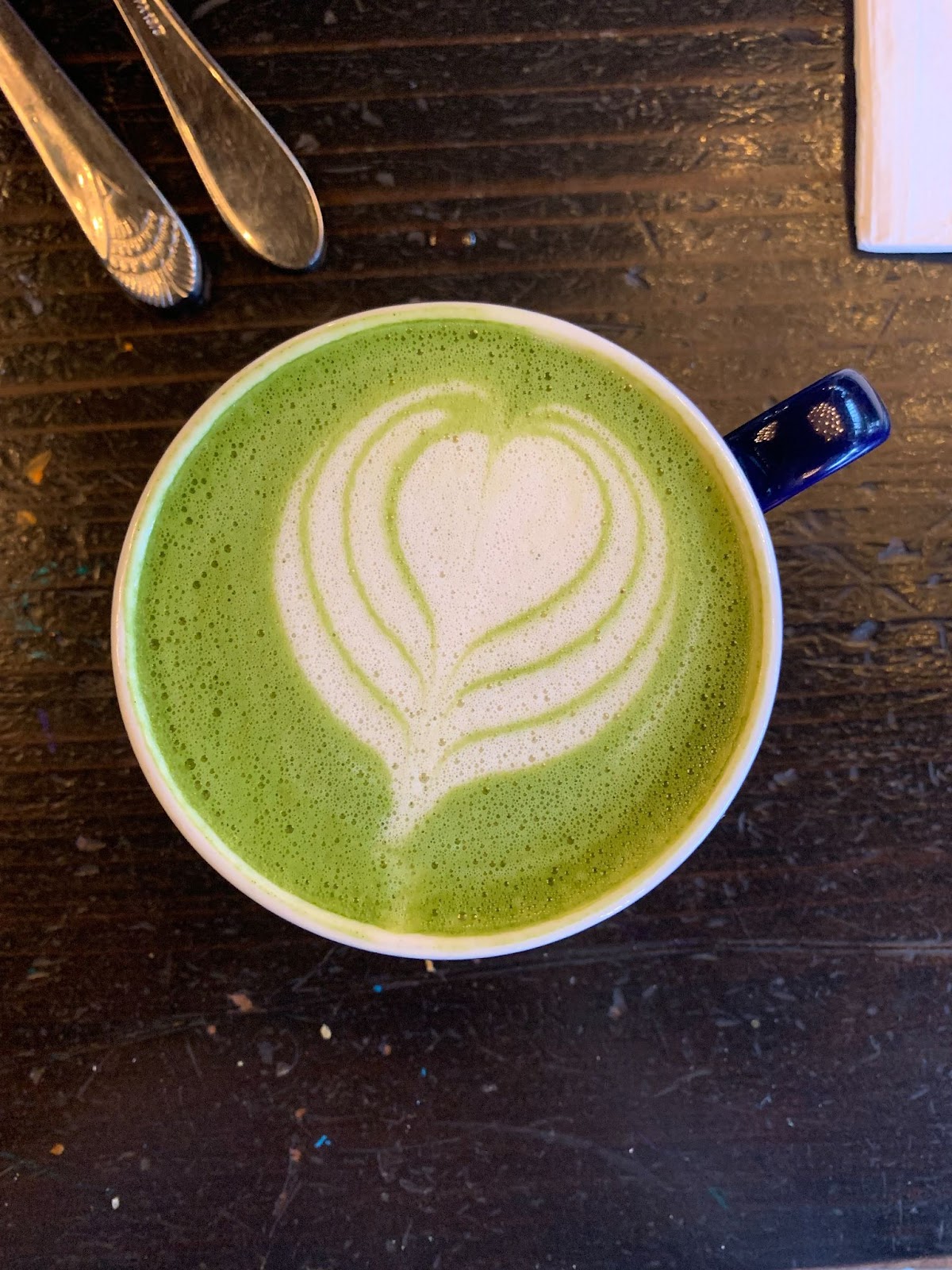
Perhaps the most obvious sign of a good matcha is its color. The brighter the green, the fresher and higher-quality the matcha. The secret behind matcha’s vibrant green and energy-boosting effects is the shade from which it is grown under.
A proportion of matcha is ground in the United States, but the tea leaves themselves are predominantly grown on small, family-owned farms outside of Uji City, Japan. (You may be familiar with the term “Uji matcha,” denoting tea from this region.) As far as plants go, matcha is one of the neediest. To produce the best-tasting, highest quality matcha, farmers diligently monitor the green tea leaves to shade them at the perfect time: two to three weeks before harvest. Matcha tea leaves are grown through a unique process that involves covering the leaves to optimize their chlorophyll content. Shading the leaves in advance of harvesting is crucial to slowing the photosynthesis process. When plants grow in low light or “suboptimal” conditions, they work harder to absorb the small amount of light which is available. To do this, the plants will produce more chlorophyll, a green compound inside the chloroplasts of the plant cell, the site where photosynthesis takes place.
Matcha is made up of a powerful antioxidant cocktail which mitigates the effects of its caffeine. Matcha has more caffeine per gram than coffee, falling between 18.9 and 44.4 mg per gram as opposed to coffee’s typical 10.0–12.0 mg. Depending on how much matcha powder is used in preparation, a matcha latte can have an equal amount of caffeine to a coffee beverage. Yet matcha won’t give you the same jitters. Under shaded conditions, matcha leaves create more theanines, an amino acid with stress relieving effects that counteract the anxiety-inducing consequences of caffeine. A 2019 study by the Tokyo National Institute of Neuroscience tested healthy adults who took theanine supplements over a four-week period. The research showed that l-theanine, the protein found in matcha and other black, white, or green teas, was found to increase dopamine and serotonin levels. While matcha packs a powerful punch with comparable caffeine to coffee, it is less likely to leave you wired.
While supporting the production of chlorophyll and l-theanine, shade also decreases the production of the inherently bitter polyphenol catechin, a naturally occurring antioxidant. The unique chemical makeup of chlorophyll, l-theanine, and reduced catechins gives matcha its rich green color and delicate, slightly grassy flavor.
When choosing a matcha, avoid any powders with yellow or brown hues. These colors indicate lower chlorophyll content, as well as possible oxidation, the chemical reaction that takes place when a substance is exposed to oxygen, light, or heat. Oxidation converts catechins to the polyphenols theaflavins and thearubigins, which add more acidity and bitterness to the flavor profile. Oxidation also degrades the l-theanine, diminishing matcha’s satisfying umami.
Taste is another reliable indicator of a matcha’s quality. Typically, a high-quality, bright green matcha will have a slightly sweet, cruciferous taste. Matchas that are more bitter are likely to have been harvested later, past their point of peak ripeness. After being picked, matcha leaves are steamed, dried, and ground. A slow grinding process that limits heat build up is essential to maintaining flavor, color, nutrient content, and l-theanine levels.
Matcha has a complex flavor profile that can easily be thrown off by improper storage and packing techniques. A high-quality matcha will be refreshing and earthy with a subtle umami flavor. One common critique from matcha skeptics is that it is “fishy.” To prevent fishiness, matcha powder must be stored in opaque, airtight containers to reduce oxidation. The freshest matchas with no bitter or fishy taste will have been packaged properly.
Once you have well-stored matcha powder, keep it tasty by preparing it with 175 degrees Fahrenheit/80 degrees Celcius (just under boiling) water. Like the way oxidation degrades the antioxidant quotients in matcha, boiling water will burn the matcha and enable the release of tannins, another polyphenol that causes bitterness.
When looking for a pick-me-up that won’t leave you trembling, consider adding matcha to your weekly drink rotation. As long as you pick a well-stored, vivid green, you can’t go wrong!