








Alice Dehghanzadeh
Opinions Editor
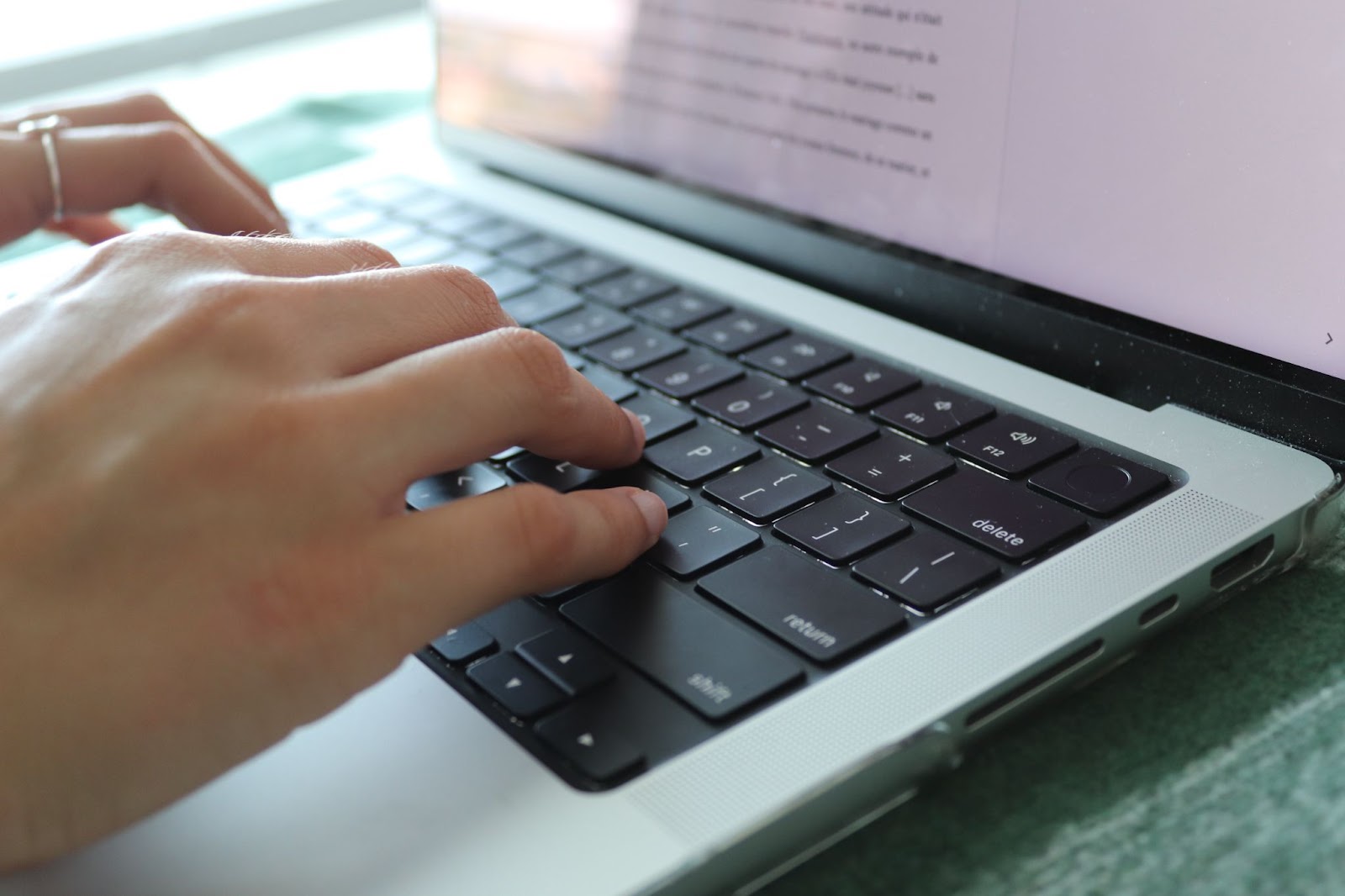
Screens control our lives. Not only do we use them for personal enjoyment, but they have trickled down into our workplaces and school settings. While there are many benefits to having laptops and iPads in college classrooms, there is also a rise in conversation about the true validity of their positive attributes.
From my personal experience in classes, I regularly see students using their laptops for non-learning activities, particularly for social media purposes. Multitasking on a laptop reduces productivity levels since it disrupts a student’s focus.
I myself must admit to being distracted in class by the laptop in front of me. It’s all too tempting to sneak a glance at my emails or quickly submit an assignment to check it off the list, but this momentary distraction ultimately hinders my learning. In such circumstances, I end up missing the lecturer’s key points, causing my notes to lack necessary information. I often find my attention split between the lecture material and my personal scrolling, and I end up having to relearn content that I would have known had I been paying attention.
The Bottom Line (TBL) had the opportunity to speak with Professor Nicole Warwick, who teaches writing classes at UC Santa Barbara (UCSB). She shared how her approach to technology in the classroom helps her students.
Professor Warwick implements an “intentional technology use” attitude in class. While it is hard to go completely tech-free, she has found that this approach works best. In terms of what this actually looks like, Professor Warwick permits students to use their laptops to, for example, refer to notes but otherwise encourages students to avoid using them.
Professor Warwick told TBL that “once laptops are in the classroom, it can be hard to ignore them. They can be a distraction, particularly at times when we don’t need them, like during a class discussion.” She also said that “it started to feel like having laptops in [her] class was leading to greater disconnection between all of us as participants in a learning environment.” One student expressed to Professor Warwick that “we are engaging with technology so much in our lives, it’s hard to look away, even in situations where we might not want to engage with it.”
As these are writing classes, she begins each class with a five-minute “freewrite” to guide the cogs in each mind to start turning, allowing students to write freely without censoring themselves. While she used to lead this with Google Docs, since this past fall, she’s asked students to bring a spiral notebook and a pen to complete this activity. Students have since told her that they prefer this method, sharing that “they like the break it gives them from always being on laptops” and that “writing in a notebook helps to center them and get ready for class.” As someone who regularly completes these freewrites, I agree that the intentional activity brings me to be physically present in the classroom and aids my concentration and focus, putting me in the right mindset for class.
The problem not only lies in distraction from work but in distraction from conversation, too. “Someone might share an idea, but if others aren’t listening, it’s hard to get the discussion going, and we are missing an opportunity to build deeper understanding together,” Professor Warwick expressed. Even a brief glance at a screen reduces the potential meaningful intellectual growth possible when in conversation with one another.
“Reflection is often a major focus in writing classes at UCSB,” Professor Warwick shares. “It asks us to bring awareness to the choices we make and why we make them.” She then went on to say that we can apply these reflective practices to our technology use: “We can ask ourselves why we are using technology at any given moment. If it’s to function as a distraction, we can dig into why we are needing to find distraction. Perhaps we need a break, more sleep, more self-care.” Essentially, in those times of reflection, we might find better, more deliberate ways to satisfy our needs.
Ultimately, the conversation surrounding technology use in the classroom isn’t just about whether students should use their laptops and iPads—it’s also about the kind of learning that takes place. Sometimes, it’s best to close the laptops and simply listen to the discussion around us.