



Ariana Isabel Duckett
Editor-in-Chief
In September, the UC Santa Barbara (UCSB) Library announced an end to their Late Night Study program, which ran from 1 a.m. to 8 a.m. due to “significant, permanent budget reductions implemented across the university,” according to their website.
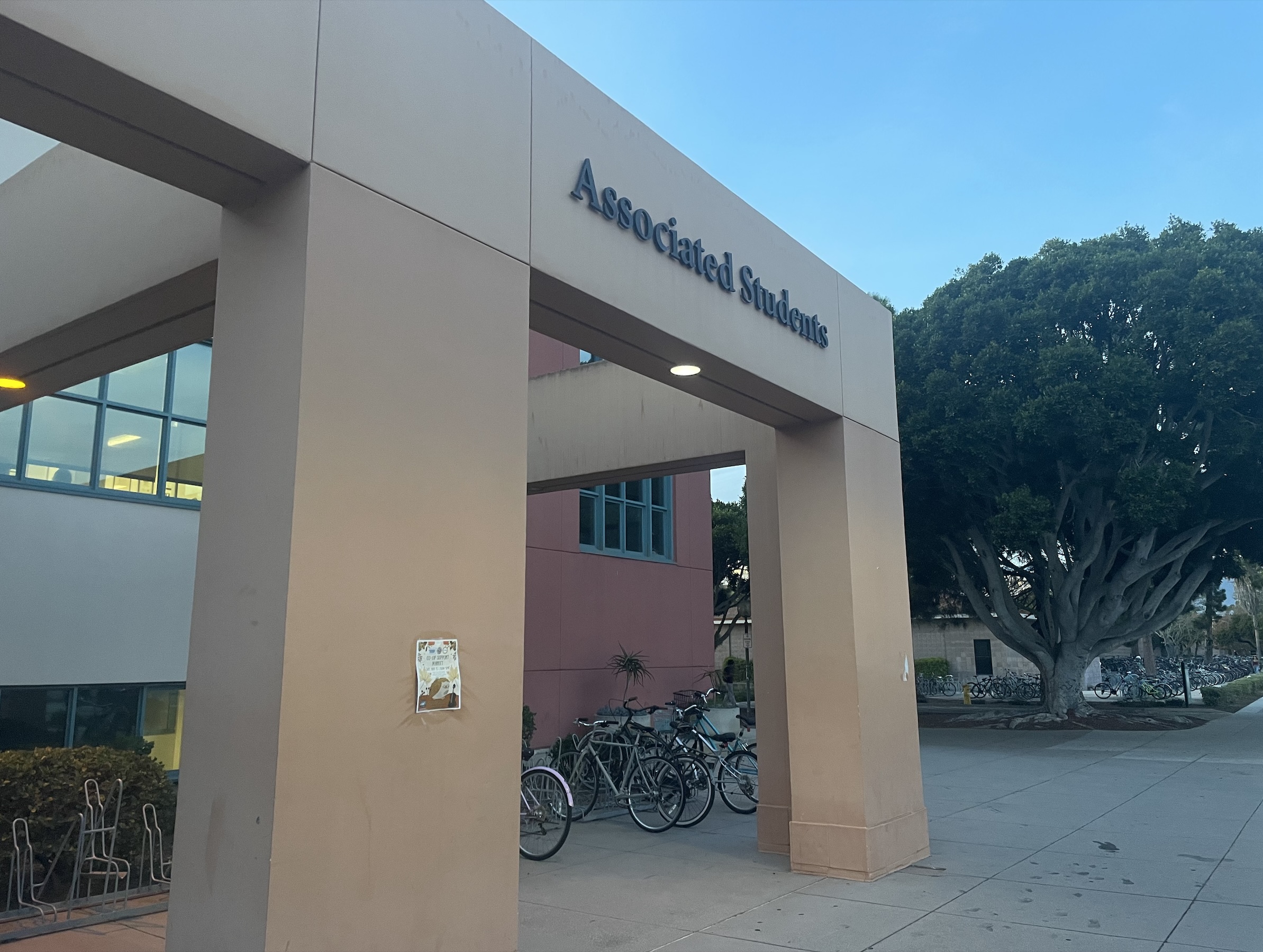
On Oct. 23, Associated Students (AS) and entities including the UCSB Library and the Offices of the Executive Chancellor, Chancellor, Vice Chancellor, and the UC Police Department (UCPD) signed a Memorandum of Understanding (MOU) outlining extended Late Night Study hours until 3 a.m., as well as establishing study spaces in Phelps Hall and the Humanities and Social Sciences Building after 3 a.m. for continuous overnight study spaces for the rest of fall quarter. The reinstatement was made possible by a $20,000 transfer from the AS Senate Unallocated Fund.
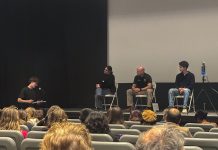
The AS Instagram published a reel on Oct. 27 announcing that Late Night Study had been extended from 1 a.m. to 3 a.m., featuring Internal Vice President Enri Lala and Off-Campus Senators Natalia Pascher and Noah Luken explaining the update.
The Bottom Line (TBL) spoke with Lala, Pascher, and Luken about the process of reinstating Late Night Study with the eventual goal of returning to a 24/7 study space for students.
Pascher “put together a team and had people garner support in creating an open letter.” Senator Evan Sussman created a Google Form petition for students to respond about “how this change may affect their academic habits, well-being, and campus experience,” according to the petition. Signatures in the open letter were added to the Google Form.
There were around 600 signatures, according to Luken. Pascher printed them and gave them to Executive Vice Chancellor Marshall. It was 30 pages long.
Communication with library administrators proceeded throughout September. The process took “weeks of negotiation and deliberation,” Pascher said. They were told “it was due to budget cuts, which we fully understand,” and required meeting with the chancellor, vice chancellor, and President Le Anh Metzger to “carve out where funding would come from,” according to Pascher.
It was decided that Student Safety Partners from UCPD would be present in the library with the goal of “lowering the budgetary requirements needed from the library to [allocate] towards Late Night Study,” Lala said. Student Safety Partners are paid less than student workers in the library. “It’s not going to affect students’ experience or interaction with the library in any kind of way,” according to Lala.
“I think this is pretty exemplary of the school getting creative to kind of navigate these budget cuts,” Pascher said.
Fall quarter will also act as a test period while the library collects data to “assess the usage of the late night study spaces,” according to the MOU, and decide whether winter and spring quarter will have extended Late Night Study as well. “We still hold our position that we would like the library back at 24/7,” Pascher said, a goal also included in the MOU.
AS would help raise funds from “alumni and other sources” if overnight library access is reinstated after fall quarter.
Luken credited Pascher for being “influential” in “reaching out to us as senators and us and saying, like, ‘Do you guys see this? What can we do about this?’”
“Nothing that we’ve done is for ourselves,” Luken said, or for “personal interest,” according to Lala.
“It did present an opportunity,” Lala said, “for the association to get its priorities straight and to act on something that is visible to the student body.”
This story continues to be updated.