







Samantha Liu
Staff Writer
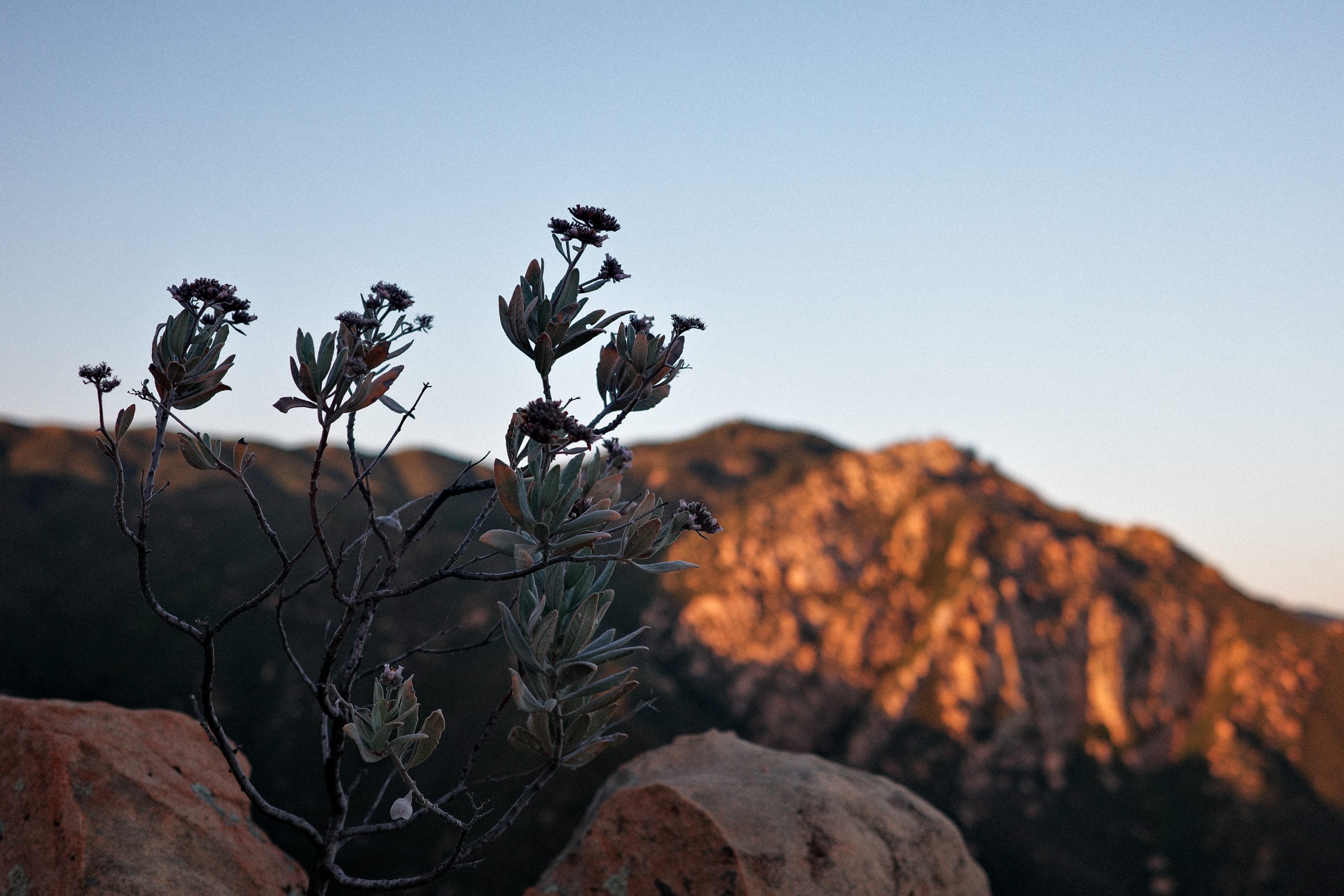
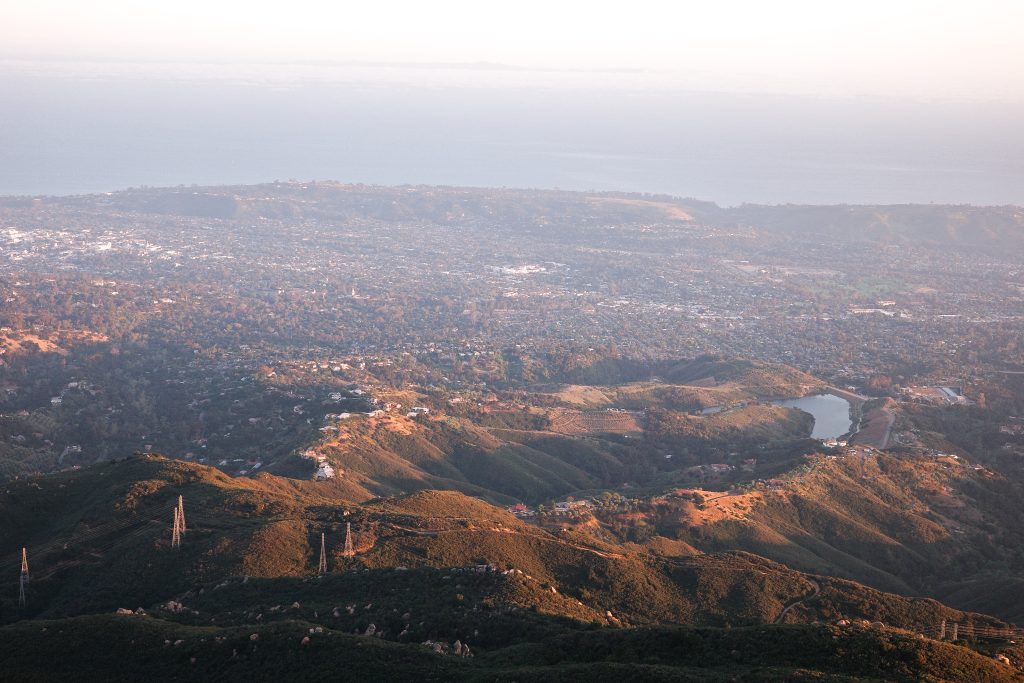
To prepare for California’s intense wildfire season, the U.S. Forest Service released its long-anticipated plan to reduce forest fires in the Los Padres National Forest.
The proposal would allow “vegetation treatments,” including prescribed burns, across over 90,700 acres of forest land.
Dubbed the Wildfire Risk Reduction Project, the plan’s ambitious scope and size have drawn mixed reactions from several groups throughout California’s central coast. 91 environmental, tribal, and community organizations have voiced serious concerns about the project’s long-term impact on ecosystems and cultural sites as well as its effectiveness in reducing wildfire risk.
Meanwhile, officials warn citizens in Santa Barbara County, San Luis Obispo County, and Ventura County to prepare for wildfire smoke, which can travel far beyond fire zones and pose serious health and safety risks to vulnerable populations.
What the Project Proposes
The Wildfire Risk Reduction Project was developed in response to the increasing threat posed by severe wildfires to both communities and public lands. Rising temperatures, dense forests filled with flammable vegetation, and the spread of urban development are all key factors that contribute to this growing risk.
The most important aspects of the project are listed below.
Fuel Breaks and Defense Zones
To directly combat fire risks, fuel breaks and defense zones will cover 78,800 (87 percent of the project area) to “create vegetation conditions with reduced fuel loads” to reduce a fire’s ability to spread. Often installed along roadways and motorized trails, the goal is to create strips where wildland fires slow down, enabling more effective containment by ground or air crews and reducing the need for emergency dozer lines.
Forest Health Treatment Units
Within these units, the objective is to enhance overall forest health by reducing accumulated fuels, thinning vegetation with tools, prescribed fires, or other methods. Trees may be removed through commercial timber harvesting using heavy equipment and manual hand thinning to promote more resilient tree growth and lower wildfire risk.
Public and Environmental Concerns
Los Padres ForestWatch, a nonprofit committed to protecting public lands along California’s Central Coast, is at the forefront of opposition to the Wildfire Risk Reduction Project.
Alongside others, the group has voiced strong objections to the plan’s authorization of logging, or the removal of trees for wood or other forest resources, through commercial timber sales, “raising concerns that it may facilitate broader efforts by the current administration to ramp up logging on public lands.” As such, sensitive habitats that support federally recognized endangered plant and animal species, such as the California condor and the purple amole, would be destroyed.
Additionally, as much as 270 miles of vegetation along trails and up to 73 recreational sites would be impacted. An unknown number of sacred Indigenous sites would also be disturbed and possibly destroyed.
Calls for a More Effective Community Alternative
ForestWatch and its coalition partners are urging the Forest Service to shift its focus towards areas near homes and developed communities, rather than targeting wild, untouched parts of the forest.
Their proposed “Community Alternative” emphasizes more localized fire protection strategies such as retrofitting homes, maintaining defensible spaces, and improving emergency response infrastructure. They say that research and past wildfires have shown how logging and vegetation removal “do not prevent the most destructive fires—those driven by extreme winds and climate conditions,” as extreme winds can still carry embers far ahead of the flames and ignite homes and infrastructure.
Staying Safe Amid Ongoing Wildfire Risks
As wildfire prevention strategies remain debated, public health officials are also focused on another danger — smoke.
On July 2, the Air Pollution Control Districts (APCDs) of Santa Barbara, Ventura, and San Luis Obispo counties released a press release encouraging residents to prepare for poor air quality from potential wildfires. They warn that smoke and ash can travel hundreds of miles, and that inhaling these particles can cause respiratory and cardiovascular issues.
Sensitive groups include those with heart or lung conditions, young children, older adults, and pregnant individuals. Officials recommended several methods to limit exposure, including creating a clean air room inside homes using a high-efficiency particulate air (HEPA) certified air purifying device or a DIY box fan filter.
What Comes Next
Climate conditions will continue to intensify wildfire seasons across California, and the best way to prepare remains an ongoing discussion.
The coming months will be critical in shaping how wildfire management will be mediated in not just the Los Padres National Forest, but in vulnerable communities throughout the region.